Somatic coaching FAQs
Straight answers about somatic coaching, Brainspotting and working with me online, so you can decide what feels right for you.
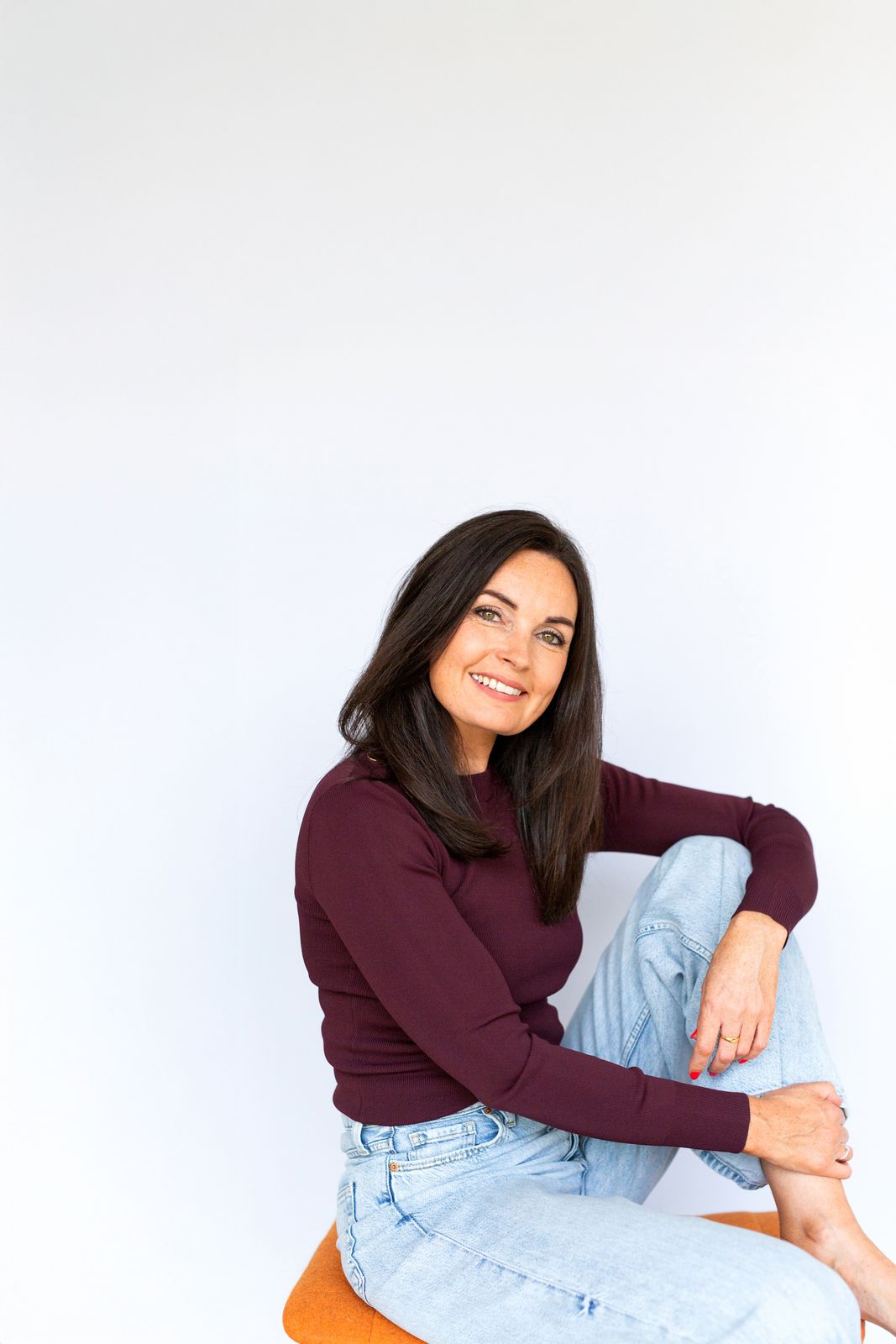
Written and reviewed by Ruth Edwards, somatic trauma-informed coach and Brainspotting practitioner. Last reviewed October 2026.
Somatic coaching and healing
What is somatic healing?
Somatic healing is an umbrella term for approaches that include the body, not just the mind, when working with stress and difficult experiences. “Soma” means body. Rather than only talking things through, somatic approaches pay attention to sensations, breath, posture and movement, helping you notice how your nervous system responds and find ways to feel steadier.
What is somatic coaching?
Somatic coaching is coaching that works with the body as well as the mind. Alongside talking, we pay attention to physical sensations, breath and how your nervous system responds to stress. The aim is to help you notice patterns as they happen and find practical ways to feel steadier in everyday life.
Is somatic coaching the same as somatic therapy?
No. Somatic coaching and somatic therapy share an interest in the body, but coaching is not a treatment for mental health conditions. Coaching is practical and future-focused. It can sit alongside therapy or medical care, and if you need a different kind of support, I’ll tell you honestly and suggest where to find it.
What is the difference between a trauma coach and a therapist?
A therapist is trained to assess and treat mental health conditions, and is the right support for many people, including anyone in crisis. A trauma-informed coach works in a practical, future-focused way, with safety, choice and pacing at the heart of the work, but doesn’t diagnose or treat conditions. Some people work with both.
Is one-to-one coaching better than an online somatic course?
They suit different needs. A self-paced course can be a helpful, lower-cost way to learn general techniques in your own time. One-to-one coaching is shaped around you: your history, your pace and what you want to change, with someone noticing what happens for you in real time. Some people start with a course and come to coaching later.
The nervous system and the body
How do I regulate my nervous system?
Simple, body-based practices can help: letting your out-breath be a little longer than your in-breath, feeling your feet on the floor, slowly looking around the room, or gentle movement. Different things help different people, and in different states. Coaching helps you learn which tools work for you, so you can use them day to day.
What is the fawn response?
The fawn response is trying to reduce conflict or threat by pleasing or appeasing other people. Not all people-pleasing is a fawn response, because people-pleasing can develop for different reasons, including learned expectations and fear of conflict. For some people the two overlap, and it isn’t a diagnosis or a flaw.
Can trauma be stored in the body?
“Stored in the body” is a common way of describing something many people experience: stressful or frightening experiences can shape how your nervous system responds, showing up as tension, a racing heart or feeling shut down. Researchers still debate how best to explain this, so I avoid overclaiming. What we can do is notice these responses and work with them gently.
Brainspotting
What is Brainspotting?
Brainspotting is a brain–body approach developed by Dr David Grand in 2003. It uses where you look to help you notice and work with difficult emotions, memories and body sensations. A practitioner helps you find an eye position, or brainspot, connected to what you feel, and you hold your focus there with them alongside you.
Can Brainspotting be done online?
Yes. Brainspotting can be offered by video call, so you can have sessions from home wherever you are in the world. My sessions are one-to-one, and you’ll need a quiet, private space and a reliable internet connection. I also offer it in person during Healing Days in Shropshire.
Brainspotting vs EMDR: what’s the difference?
Brainspotting and EMDR are different approaches. EMDR follows a structured therapeutic process that includes bilateral stimulation, such as eye movements or tapping. Brainspotting generally uses a visual focus alongside attention to emotions and body sensations.
Working with Ruth
What qualifications does Ruth have?
Ruth is a somatic trauma-informed coach and Brainspotting practitioner. She holds an ICF- and CPD-accredited certification in somatic trauma-informed coaching. She also holds a BSc (Hons) in Psychology and is a CPD accredited Narcissistic Abuse Specialist. Her approach draws on Brainspotting, somatic coaching, Internal Family Systems-informed parts work, positive psychology and hypnotherapy.
Can somatic coaching be done online?
Yes. Body-based work can be done well by video call. We talk, and we notice what’s happening in your body as we go: your breathing, any tension, where things settle. All one-to-one sessions are online, so you can join from anywhere in the UK or the world. All you need is a quiet, private space.
Do you work across time zones?
Yes. Ruth is based in the UK and works online with clients worldwide. A limited number of evening and weekend appointments are available, which helps if you’re in a different time zone, such as the US, Canada, Australia or New Zealand. You’ll find a time that works on your free discovery call.
How long does narcissistic abuse recovery take?
There’s no fixed timeline. Recovery depends on what you went through, how long it lasted, the support around you and what’s happening in your life now. It rarely moves in a straight line. We work at your pace, and review together how things are going rather than working to a deadline.
How much does it cost?
Online one-to-one coaching is £549 for a block of 6 sessions, and Healing Days start from £799. Prices are in pounds (GBP); if you’re outside the UK, your bank converts the currency when you pay. Your first 30-minute discovery call is free, with no obligation to book anything afterwards. If you decide to go ahead, you’ll receive a coaching agreement before anything begins. Workshops for organisations are quoted by group size and location.
Are you insured, and do you provide a coaching agreement?
Yes. Ruth is fully insured and provides a coaching agreement for every client. It sets out the terms of your work together, professional boundaries and confidentiality, including safeguarding exceptions, before you begin, so you know exactly what to expect. You can ask any questions about it on your free discovery call.
What happens after six sessions?
You can book another block of six sessions, or single sessions, depending on what suits you.
What is your cancellation policy?
Please give at least 48 hours’ notice if you need to cancel or rearrange. Late cancellations may be charged, at Ruth’s discretion.
Are sessions confidential?
Yes. Sessions are confidential, with safeguarding exceptions explained in my coaching agreement.
What clients say
“She adapts to me rather than expecting me to adapt to the process.”
“It’s been like reading a book about myself for the very first time.”
“I felt I could talk to Ruth about anything.”