
Somatic coaching · Online · UK and worldwide
Stop people-pleasing, with one-to-one somatic coaching online
For anyone who finds it hard to say no.
If you find it hard to say no, worry about upsetting people, or lose yourself looking after everyone else, you're not alone. I was a people pleaser for a long time, and it's one of the patterns I work with most.
I offer one-to-one somatic coaching online, so you can work with me from home, wherever you are.
Book a free 30-minute discovery call“From the very beginning, I felt heard, safe, and understood.”
Signs you might be a people pleaser
You say yes when you want to say no, then feel drained or resentful.
You apologise a lot, even when you haven't done anything wrong.
You avoid conflict, or go quiet to keep the peace.
You feel responsible for how other people feel.
You find it hard to know what you want, or to ask for it.
Setting a boundary leaves you feeling guilty or anxious.
What is people-pleasing?
People-pleasing is a habit of putting other people's needs, feelings and approval ahead of your own, often at your own expense. It isn't a diagnosis. It's a pattern of behaviour, and it can make more sense once you understand where it came from.
Why people-pleasing develops
People-pleasing can develop for different reasons, including learned expectations, fear of conflict and experiences where keeping others happy felt safer. For some people, it overlaps with what is often called the fawn response: trying to reduce conflict or threat by pleasing or appeasing others.
When saying no feels hard
For some people, saying no brings a tight chest, a rush of guilt or an urge to smooth things over. Understanding the pattern doesn’t always make those feelings disappear. We work with your thoughts and body responses together, so you can practise setting boundaries at a manageable pace.
One-to-one support, not a self-paced course
Courses and books can be a helpful start. One-to-one coaching is different: the work is shaped around your history and your relationships, and I notice what happens for you in real time, then adjust. We go at your pace, and nothing is forced.
“You can care about someone deeply and still decide that something needs to change.”
Ruth

How we work
Somatic coaching works with how people-pleasing shows up in your body, as well as in your thoughts. Together we notice the tension, the urge to agree, or the guilt that comes when you put yourself first, and build practical tools to stay steadier in those moments.
We also explore where the pattern came from and what setting boundaries could look like in your life, at a pace that feels manageable. Where it’s helpful, I bring in Brainspotting, Internal Family Systems-informed parts work, positive psychology and hypnotherapy.
Scope of this workCoaching is not a substitute for therapy or medical care. If you need a different kind of support, I’ll suggest it.
Is this right for me?
This may feel right if
- You say yes when you mean no, then feel drained or resentful
- You understand the pattern, but still feel the pull to please
- You’d like to practise setting boundaries at a manageable pace
- You’d like one-to-one support rather than a self-paced course
Other support may be better first if
- You’re in crisis or don’t feel safe right now. Please use the urgent help details at the top of this page
- You’re worried about your safety in a relationship and need specialist support first
- You’re looking for assessment or treatment for a mental health condition
Not sure? The free 30-minute discovery call is there to talk it through, and if a different kind of support would suit you better, I’ll tell you honestly.
Book a free 30-minute discovery callHow working together works
- 01
Book a free discovery call
We talk about what's going on for you, and you can ask me anything. There's no pressure to book.
- 02
One-to-one online sessions
We meet online by video for 60 minutes, usually weekly, at a pace that suits you.
- 03
Tools you can use
You'll have practical, body-based tools to use between sessions, and we review your progress together towards the end.
See the programme and pricing. There’s no pressure to decide on the free call.
“I wanted to let go of people-pleasing tendencies and to become a calmer, more patient parent, but I needed additional tools to get there… Our house is calmer and my kids are getting a more grounded and present version of me.”

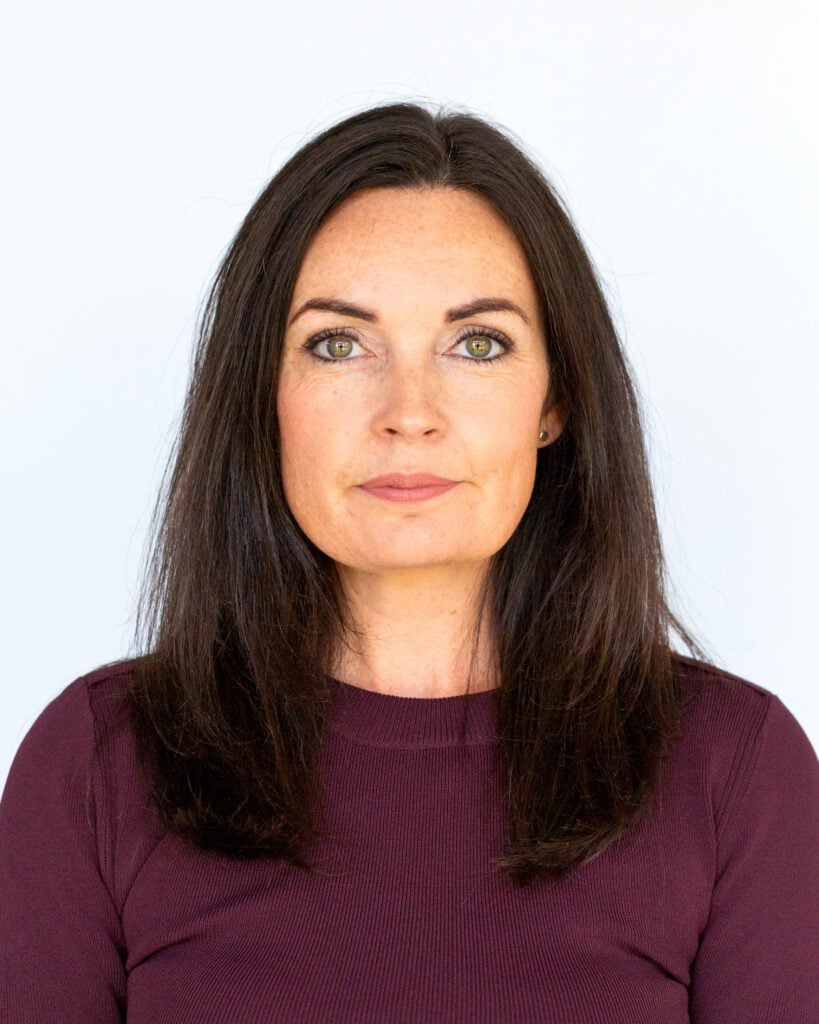
About Ruth Edwards
For a long time I was a people-pleaser. I struggled to set boundaries and was always looking for approval from other people. Counselling helped for a while, but the change didn’t last until I understood how much my body was holding.
That experience is why I do this work. I’m a somatic trauma-informed coach and Brainspotting practitioner, based in Shropshire, UK, working with clients online across the UK and worldwide.
somatic trauma-informed coach · Brainspotting practitioner · BSc (Hons) Psychology · CPD accredited Narcissistic Abuse Specialist
Read my storyPeople-pleasing: common questions
What is the fawn response?
The fawn response is trying to reduce conflict or threat by pleasing or appeasing other people. Not all people-pleasing is a fawn response, because people-pleasing can develop for different reasons, including learned expectations and fear of conflict. For some people the two overlap, and it isn’t a diagnosis or a flaw.
Is people-pleasing a trauma response?
Not always. People-pleasing can develop for different reasons, including learned expectations, fear of conflict and experiences where keeping others happy felt safer. For some people it overlaps with a trauma or fawn response, and for others it doesn’t. You don’t need to have experienced trauma, or to label your experience, to work with me on it.
How do I start setting boundaries?
Start small and notice your body. Before you say yes, pause for a breath and check what you actually want. Practise low-stakes boundaries first, like asking for a moment to think. Expect some guilt at first; for many people it eases with practice.
Do sessions take place online?
Yes. One-to-one sessions are by video call, so you can join from anywhere in the UK or the world, across time zones. I offer a limited number of evening and weekend appointments. All you need is a quiet, private space and a device with a camera and a reliable internet connection.
Is somatic coaching the same as therapy?
No. Coaching works alongside other support rather than replacing counselling, psychotherapy or medical care. It’s practical and future-focused, and brings in body-based approaches as well as conversation. If you need a different kind of support, I’ll tell you honestly and suggest where to find it.